

Light Therapy Lamps: Complete Guide
You’ve checked your messages, finished a task or two, yet the haze creeps back in. Your shoulders slump, focus drifts, and energy fades. Of course, you aren't lazy; you’re just… starved of daylight.
People often say autumn and winter can bring feelings of melancholy. From a scientific perspective, this is because reduced daylight prompts the body to produce more melatonin, making people feel more lethargic and emotionally low.
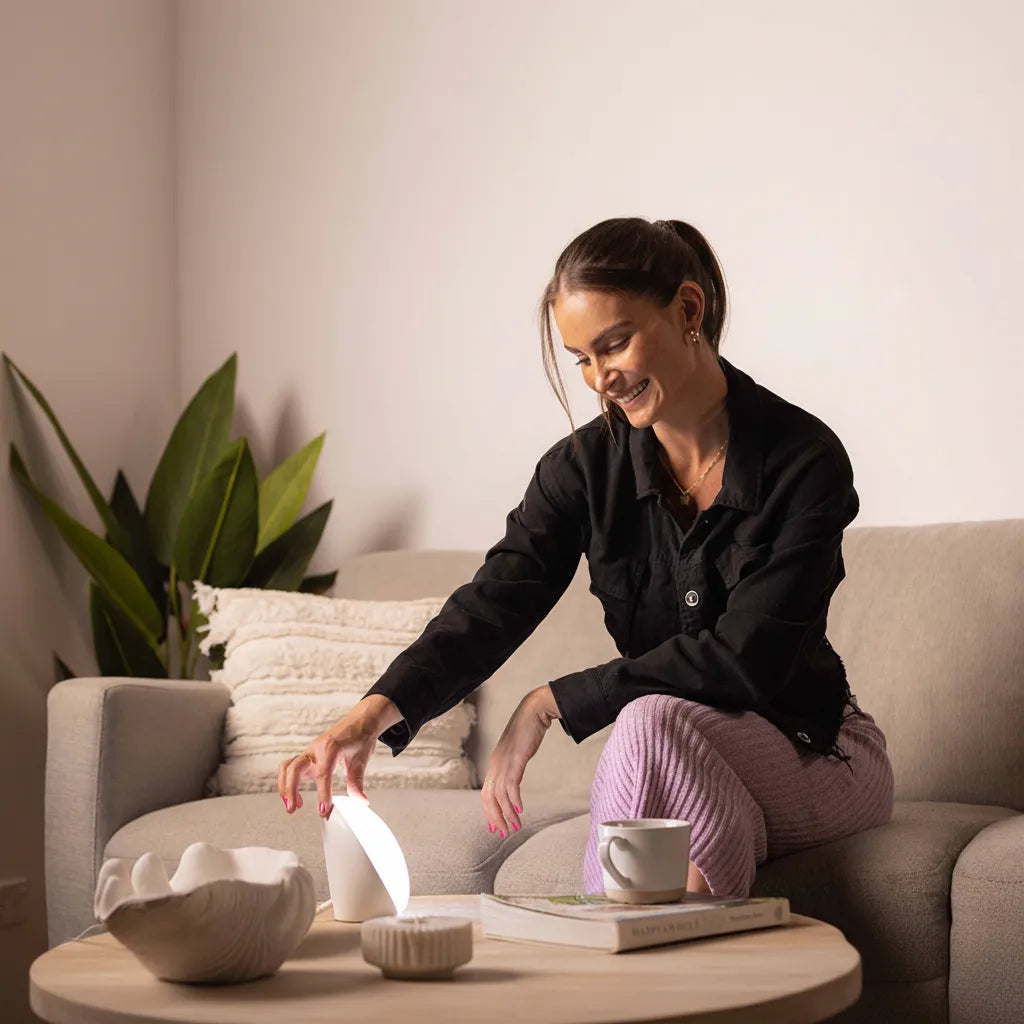
You’ve likely heard colleagues or friends mention “SAD Lamps” or “Light Therapy Lamps.” Their principle is to simulate natural sunlight to improve mood and boost energy.
Keep reading to learn how to use Light Therapy Lamps and what to look for when purchasing one.
What is Light Therapy Lamp and How Does It Work
A light therapy lamp is a device that closely mimics natural sunlight. For individuals experiencing insufficient daylight exposure or irregular sleep patterns, this simulated natural light helps regulate circadian rhythms. Research has demonstrated that appropriate light exposure can alleviate symptoms associated with depression, such as sleep disturbances, anxiety, and sadness. Consequently, light therapy lamps serve as a common adjunct treatment for conditions including seasonal affective disorder (SAD), depression, Alzheimer's disease, and personality disorders.
How Does It Work
Light therapy lamps are high-intensity lights designed to mimic natural sunlight. They work by transmitting signals to the brain through the eyes' perception of light, tricking our bodies into producing two essential hormones: serotonin and melatonin. This stimulates areas of the brain that control appetite, mood, and sleep, triggering chemical changes that improve sleep quality, appetite regulation, and emotional well-being.
How to Use Light Therapy Lamp

Light therapy lamps require you to keep your eyes open to be effective. Avoid closing your eyes or wearing dark-tinted glasses. Once the lamp is on, there's no need to stare directly at the light source; simply keep your eyes open to feel the light.
After acclimating, you may gradually increase daily sessions, duration, and light intensity. Consult your doctor to determine optimal daily exposure time.
Follow these guidelines:
For better adaptation:
Morning sessions: Approximately 20 minutes
Evening sessions: Approximately 30 minutes (avoid use near bedtime, as light suppresses melatonin secretion)
The light therapy lamp's intensity should be at least 10,000 lux.
How Long Should I Use a Light Therapy Lamp Each Day?
There is no standard answer, as it depends on individual needs. However, research indicates that if you do not experience increased symptoms such as dizziness, nausea, or heightened irritability after exposure, you may gradually increase the frequency and duration of sessions, extending them to 1–2 hours per session daily.
Recommendations:
Brightness around 10,000 lux: 20–30 minutes
Usage time: Before 8:00 AM
Begin with 20 minutes for first-time use, 5 times per week
Note: Longer duration is not necessarily better; consistency and moderation are key. Multiple daily sessions may cause adverse reactions or side effects. Therefore, seeking guidance from a healthcare professional for personalized advice is crucial.
Optimal Placement for Light Therapy Lamps
When using a light therapy lamp, its placement is crucial. Correct positioning maximizes effective light exposure within your field of vision, enhancing therapy results while preventing adverse viewing effects.
Position the light source slightly above eye level
Imagine the angle of natural sunlight streaming down from above. Aim to place the light therapy lamp as close as possible to this angle.
Light should enter from above or directly in front, forming approximately a 30-degree angle with your line of sight to allow natural illumination of the eyes. Never position the light therapy lamp too low; light below eye level reduces therapeutic effectiveness.
Place the lamp 16 to 24 inches (40 to 60 cm) from your face. At 10,000 lux intensity, the lamp can be positioned 24 inches away. (Placing it too far, too close, or not directly facing the light source reduces effectiveness.) Ensure the lighting process is both comfortable and safe.
Avoid these common mistakes:
1. Placing the lamp too far, too close, too low, or behind you
2. Using the light therapy lamp irregularly each day
3. Direct light shining into the eyes
4. Sit slouched
Suitable Users for Light Therapy Lamps
1. Individuals with Seasonal Affective Disorder (SAD)
2. Those experiencing insufficient sunlight exposure in autumn and winter
3. People working indoors for extended periods
4. Individuals experiencing low mood or fatigue
5. Those with irregular schedules or disrupted circadian rhythms
What to Consider When Selecting a Light Therapy Lamp
1. Lux
Choose a light therapy lamp that delivers 10,000 lux. This intensity better simulates sunny weather, helping reduce excessive melatonin secretion in individuals with seasonal affective disorder.
2. UV Emission
Compliant light therapy lamps are typically labeled as UV-free or UV-filtered.
3. Color Temperature (CCT)
Opt for a range between 5000–6500 K (close to natural sunlight), which promotes alertness and mood elevation.
4. Shape and Specifications
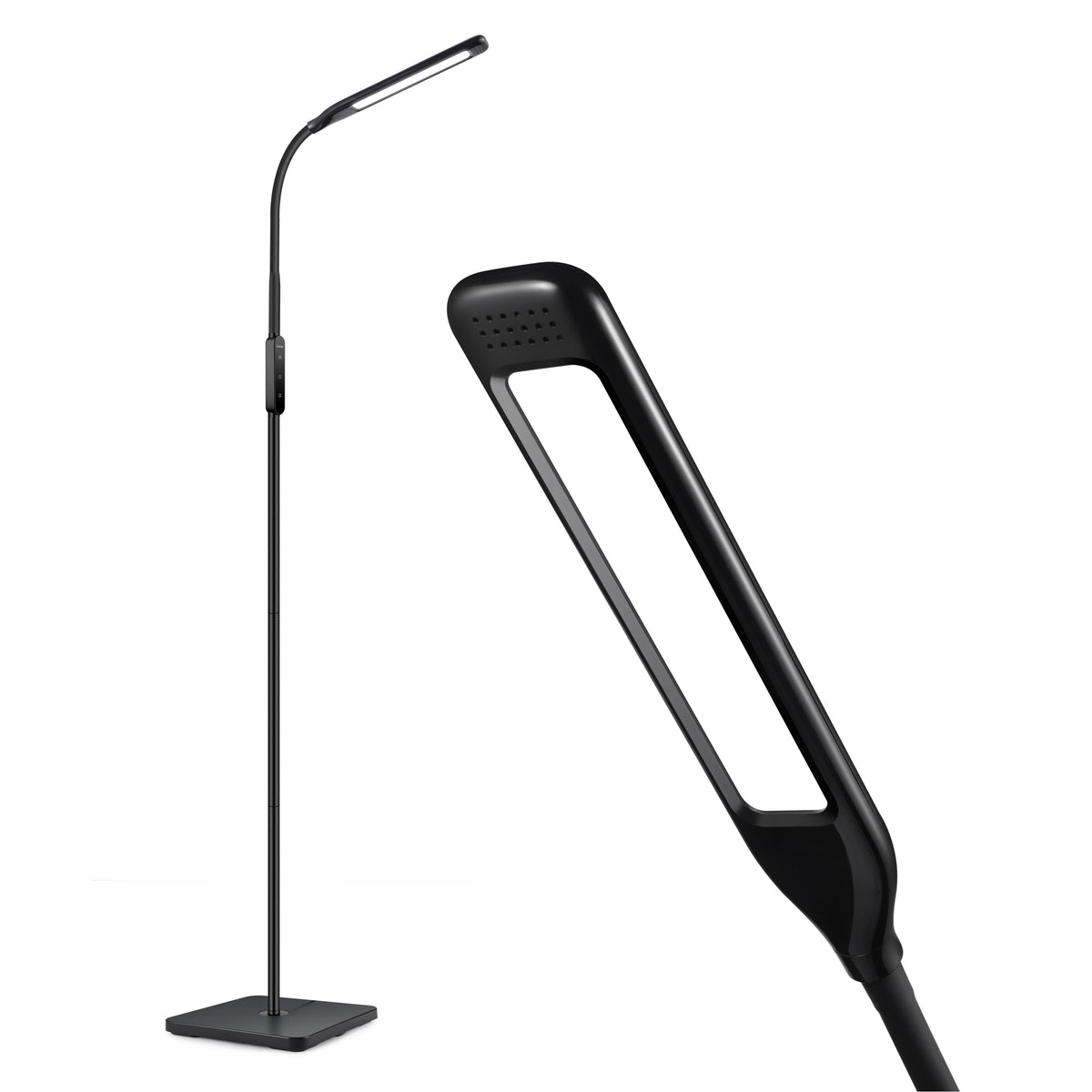
Light therapy lamps come in various designs. Select one suited to your needs. If portability is essential, prioritize compact models. If you have ample space at home, you'll have more options to choose from.
5. Price and After-Sales Service
Choose retailers that provide prompt responses and reliable customer support. Robust after-sales service reduces usage risks and minimizes future maintenance issues.
Light Therapy Lamp Recommended
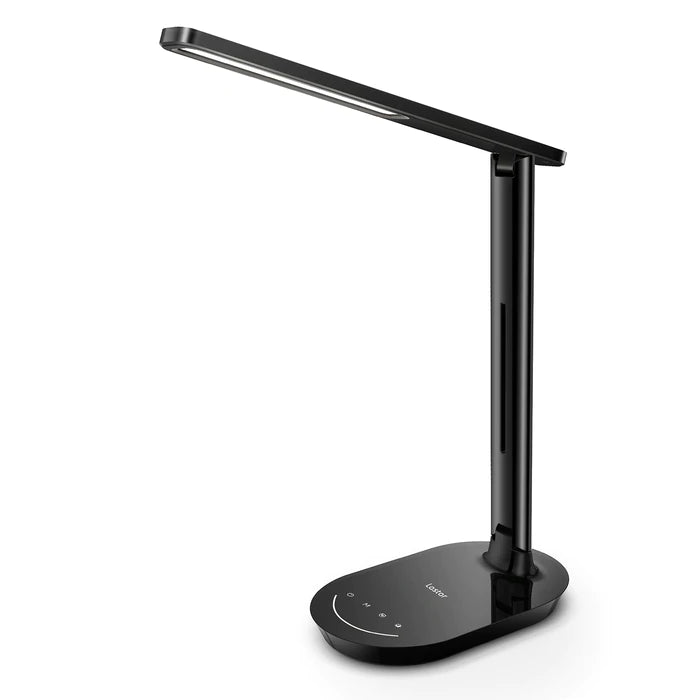
LASTAR Sun Lamp

This light therapy lamp utilizes >10,000 lux high-brightness LED light sources and a wide color temperature range (approximately 1600–6500 K) to maximize the reproduction of natural daylight.
It supports customizable brightness, allowing easy adjustment based on different lighting distances. Free from ultraviolet (UV) radiation harmful to eyes and skin, it ensures safe use.
Touch controls ensure effortless operation. Its compact, lightweight design fits easily on desks or for on-the-go use.
As LASTAR's hot sell product, it comes with extended warranty and customer support, dedicated to delivering the most natural indoor daylight experience.
RICIAL DAWNLUX Sunlight Alarm Clock

The RICIAL DAWNLUX Sunlight Alarm Clock is another excellent choice, combining a light therapy lamp with an alarm clock. It gradually brightens like natural sunlight to wake you up gently, and also supports sunset simulation to help you fall asleep more easily, often paired with calming sounds. The lamp also offers multiple brightness levels and adjustable color temperatures, making it ideal for daily use.
Conclusion
If you spend most of your time indoors, adequate sunlight is becoming a luxury. Light therapy lamps simulate natural daylight to help you regain energy. If you often feel sluggish during autumn and winter, consider switching to a different light source.
With over a decade of expertise in health-focused lighting, lastar holds multiple international certifications and patents, earning the trust of users worldwide. If you're struggling to find the right light therapy lamp, consult Lastar directly. We'll provide expert recommendations tailored to your needs.
